Yellow Paper Daisies
A product blog on the safe, secure and beneficial deployment of AI.
I write product ideas about how AI could do some good, and about the testing, oversight and accountability mechanisms it needs to do so safely and securely. Each idea borrows its metaphor from one of the more than 20,000 species of the daisy family.
Read more
I believe safety, security and benefit can be achieved together, in that order of priority. AI’s most serious risks deserve careful, sustained attention, and its benefits only last when the systems behind them are safe, secure and trusted. So some ideas here explore what AI could do for people, and others explore how to test, govern and oversee it so that good can happen safely and securely.
Every idea follows the same product-thinking structure: context, who it is for, the problems they face, a possible solution and the outcome it aims for. Many are illustrative concepts that can't be built yet. I share them to think in the open and learn from feedback.
All ideas are my own and do not represent the views of any current or former employer, client or organization I am affiliated with. They are illustrative proposals for discussion, not professional, legal or financial advice. AI helps with writing, research and the drawings.







 German chamomileMatricaria chamomilla
TrueFalse Daisy
TrueFalse Daisy helps societies see how accurately they tell true from false, so slow drifts in public perception through misinformation can be measured before they become greater societal issues.
Earlier ideas
DaisyDial is an open standard for describing how AI handles evidence, disagreement and competing values, helping people compare models and understand how their choices may shape beliefs and public discourse.

FirstWord is an illustrative concept for an independent network that transmits warnings of catastrophic risks for public benefit, ensuring no single person, institution or system can suppress them.

Gyges Daisy is a product thinking concept inspired by Plato’s Ring of Gyges, to reveal how AI behaves when it believes no one is watching, not just when it knows it is being tested.

RainCheck Daisy is the third part of the trilogy inspired by Plato's allegory of the cave, and this part focuses on the mechanisms required to govern AI alongside the people and the technology.

Compass Daisy is the second part of the trilogy inspired by Plato's allegory of the cave, and this part focuses on the technological architecture needed to govern AI, equipping human overseers with the specific tools required to trace origins, contain models, and measure societal impact.

Kosmos Daisy is a philosophical product thinking concept, inspired by Plato's allegory of the cave, that aims to identify the missing human links behind AI guardrails.

CoreSeed is an open framework that curbs inequality by reducing the human overwhelm caused by pervasively persuasive AI.
LevelField is an open standard that ensures humans don’t have to race AI agents for everyday activities online.

EyeOpener Daisy is a personal agent governance centre that lets people see, check and correct what their agents say, share and agree on their behalf.
Provenance Daisy is an attribution model for AI so that human intelligence and ingenuity keeps being incentivized rather than quietly absorbed.

Schrödinger's Daisy is a sociotechnical approach to counter misinformation in the post-truth era, inspired by investigative design, that makes uncertainty transparent through a probabilistic view of facts.

DeepRoot is a proposal to make everyday AI insurable, so safety gets a market incentive, risk can be priced in and companies can build with confidence.
GoldenMend is an illustrative concept for making amends when AI causes harm, so the repair is visible, fair and useful to everyone who comes after.

SunAccord is an illustrative concept for a council funded by AI providers, giving people one place to report AI harms, creating shared accountability for fixing them, and providing a common forum for deciding what frontier AI may do, may not do, and where consensus does not yet exist.

HalfFull Daisy is a proposal for a bug bounty in reverse: AI labs commit a small share of revenue to pay people for public ideas using AI to solve society's biggest problems.
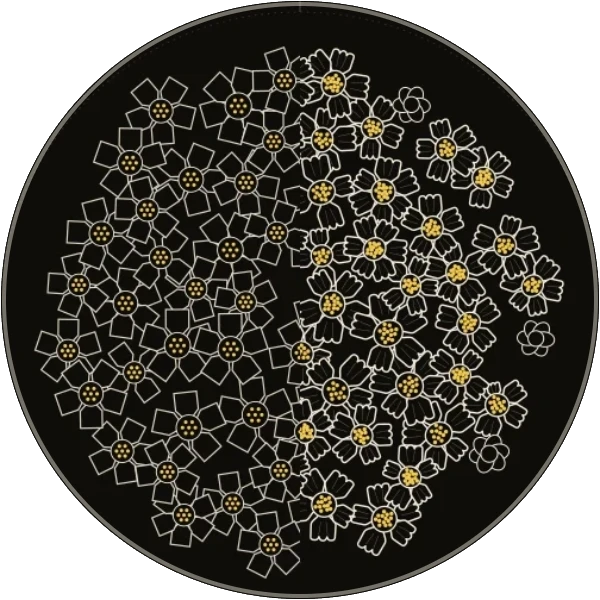
HomeGrown is an illustrative concept for community-owned AI models, built and tested by the communities they serve, paid from day one and licensed to the services and labs that rely on them.
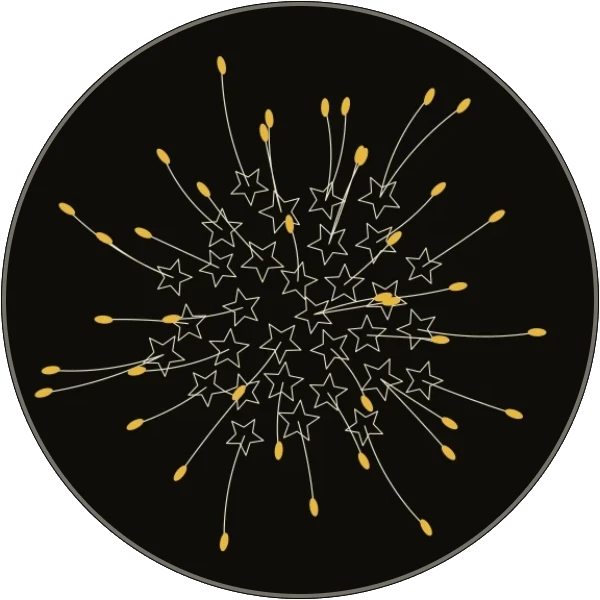
Proposal to share chain-of-thought reasoning with customers, establishing a standardized control framework and trust mark for all AI-enabled automated decision-making systems that make life-shaping decisions.

A proposal to protect space for friction, misinterpretation, the wandering mind and human instinct alongside AI, so we keep the diverse ideas and fallback capability that a world optimized entirely by AI would otherwise lose.
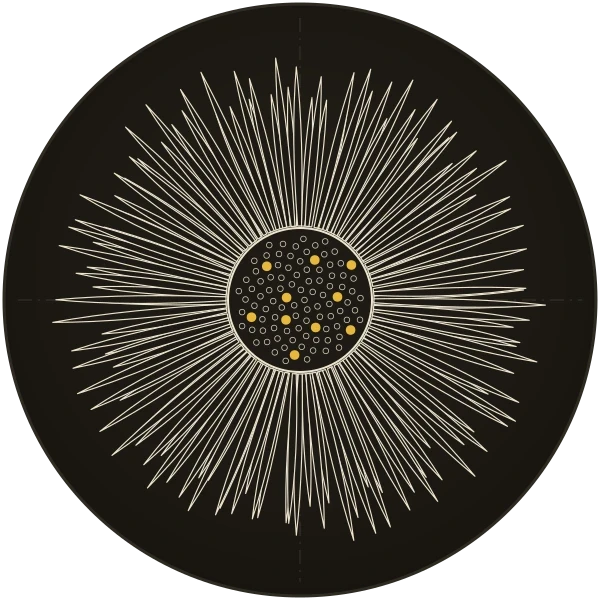
A framework where each data centre repays its carbon debt with a community-chosen forest, grows at the pace that forest repays, and shares compute with climate-exposed communities.

Product feature for Large Language Models to minimize environmental impact by guiding users toward low-compute alternatives, routing simple queries transparently to more efficient models, and tracking resource savings on an auditable dashboard.

DaisyCheck is an open evaluation service that provides a simple nutrition label and routine bias checkup, helping everyday people see which cultural and national perspectives shape their AI models.

Everlasting is an illustrative concept for a community-owned AI Governance product that lets communities govern their generational knowledge and, if they choose, sustain it through a circular economy.
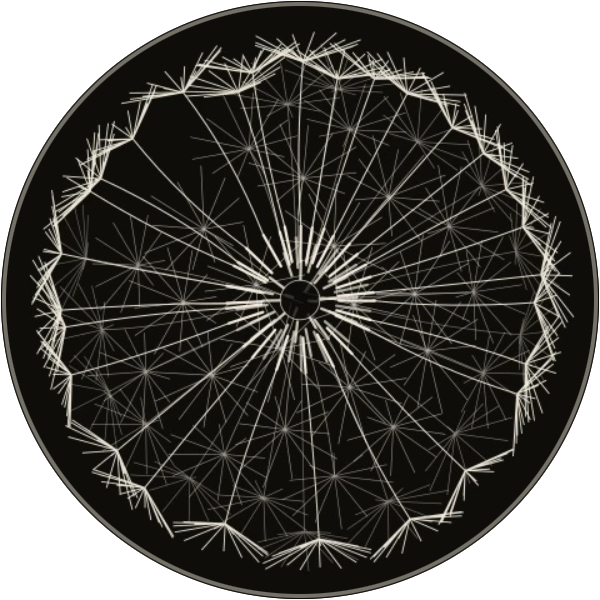
CommonGround is an illustrative concept for an AI-assisted mutual aid circle where neighbours trade everyday help, fueled entirely by goodwill, public appreciation, and shared community connection.

An optional feature that lets you teach your AI assistant your values and way of thinking, giving you greater control to configure it around them.

Daisy Chain is an AI-powered giving platform that verifies needs, matches donors with causes they care about, and shares anonymized outcomes on a community wall.